
Data Most Organizations Never Hear often belong to people who are not active online. Yet many modern strategies depend almost entirely on digital surveys, web analytics, and social media listening. While these tools are useful, they capture only a fraction of the real population.
Across Africa, millions of consumers, citizens, and stakeholders remain partially or completely offline. When organizations rely solely on online responses, they unintentionally silence these voices. The result is incomplete data, biased insights, and strategies that fail to reflect real markets.
Understanding The Data Most Organizations Never Hear requires reaching beyond the internet through telephone research and field engagement.
The Digital Bias in Modern Research
Digital research methods have grown rapidly. Online surveys, mobile apps, and web panels allow companies to collect thousands of responses quickly. However, the convenience of digital data creates a hidden bias.
Only people with reliable internet access, smartphones, and digital literacy can participate. This automatically excludes large populations, particularly:
· Rural communities
· Older populations
· Low-income households
· Individuals using basic feature phones
When these groups are missing, The Data Most Organizations Never Hear becomes the majority reality rather than a minority gap.
Why Offline Voices Matter for Strategy
Organizations often assume that online responses represent the entire population. In reality, digital respondents usually reflect more urban, younger, and more connected audiences.
This creates several risks:
1. Incomplete Market Understanding
Without offline voices, organizations misunderstand true consumer behavior.
2. Misguided Policy Decisions
Governments and NGOs may design programs that fail to address real needs.
3. Weak Product Adoption
Products built from digital-only insights may fail among wider populations.
Recognizing The Data Most Organizations Never Hear is therefore essential for accurate decision-making.
How Telephone Research Captures Data Most Organizations Never Hear
Telephone interviewing remains one of the most powerful ways to bridge the data gap. Through structured phone interviews, researchers can reach people who are not active online but still have access to mobile networks.
Telephone research allows organizations to:
· Reach respondents across urban and rural areas
· Conduct interviews in local languages
· Clarify responses through real conversation
· Achieve more representative samples
Unlike passive online surveys, telephone interviews actively engage respondents and improve response quality. Computer-assisted telephone interviewing systems also allow researchers to manage quotas, validate responses, and monitor quality in real time.
This approach helps uncover The Data Most Organizations Never Hear by directly speaking with people beyond the internet.
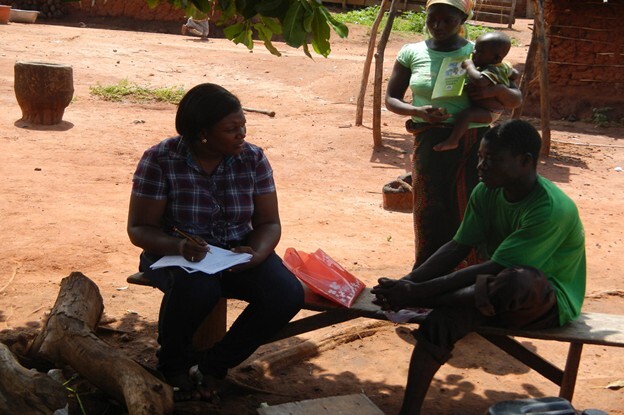
Field Engagement and The Data Most Organizations Never Hear
Telephone research can also be complemented by field engagement when deeper understanding is required.
Field interviews and community discussions reveal context that digital responses rarely capture, such as:
· Cultural attitudes
· Local economic realities
· Behavioural motivations
· Community perceptions
Together, telephone surveys and fieldwork ensure that research reflects both connected and disconnected populations.
Closing the Gap in The Data Most Organizations Never Hear
To truly hear The Data Most Organizations Never Hear, organizations must adopt mixed research methods.
A balanced approach typically includes:
· Online surveys for digitally active audiences
· Telephone interviews for wider population reach
· Field engagement for contextual understanding
This combination ensures that insights represent the full diversity of African markets.
Organizations that rely solely on digital tools risk building strategies on partial data. Inclusive research methods create stronger, more reliable intelligence.
Keynote
The greatest risk in modern decision-making is not a lack of data, but listening only to the data that it is easiest to collect.
The Data Most Organizations Never Hear represents millions of voices across Africa people who are not active online but whose opinions shape markets, communities, and economies.
Capturing these voices requires moving beyond internet surveys and embracing telephone research and field engagement.
Organizations that want accurate, representative insights must reach people wherever they are, not only where the internet reaches.
CATI Africa specializes in large-scale telephone data collection across the continent, connecting organizations with the voices that online surveys often miss. Through advanced call centres, multilingual interviewers, and continent-wide coverage, CATI Africa transforms conversations into reliable insights that drive better decisions.
If your strategy depends on real understanding, it’s time to start listening to The Data Most Organizations Never Hear.