
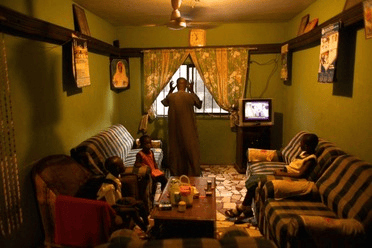
A typical African middle class home

The Myth of the African Middle Class is often built around a simple idea: as more Africans earn more money, a larger consumer class is emerging with more money to spend but income alone does not explain how households actually live, spend and make choices. The salary arrives on Friday, by Monday, rent has taken its share, Food follows, then transport, electricity, school fees and the money sent home to family. Somewhere in all of that is the phone that needs replacing, the holiday that was being planned or the new appliance now waits.

Young and older African generations representing the generation gap

Africa is often described as the world’s youngest continent yet many of the people making decisions across its political, economic and social institutions belong to much older generations that contrast creates a question that is bigger than age: what happens when the people shaping Africa’s future do not experience the continent in the same way as the people who will live most of that future?

Family debt crisis

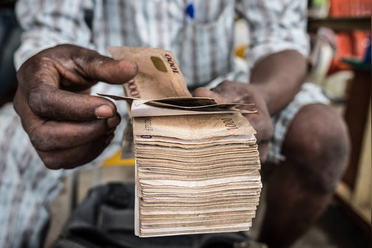
Household debt is becoming a bigger part of everyday life for many families across Africa. People are not only borrowing for houses, cars or business investments for some households, loans and other forms of credit are helping to pay for food, electricity, school expenses, transport and other basic needs when monthly income is no longer enough.

Effect of Africa brain drain on young, frustrated professional

Africa has the world's youngest population, but many young professionals are looking beyond the continent for career opportunities. The question is not simply how many people are leaving, It is why they are considering leaving in the first place.

11 Davies St, Raymond Estate, Ketu, Lagos 105102, Lagos, Nigeria

Newsletter Subscription