
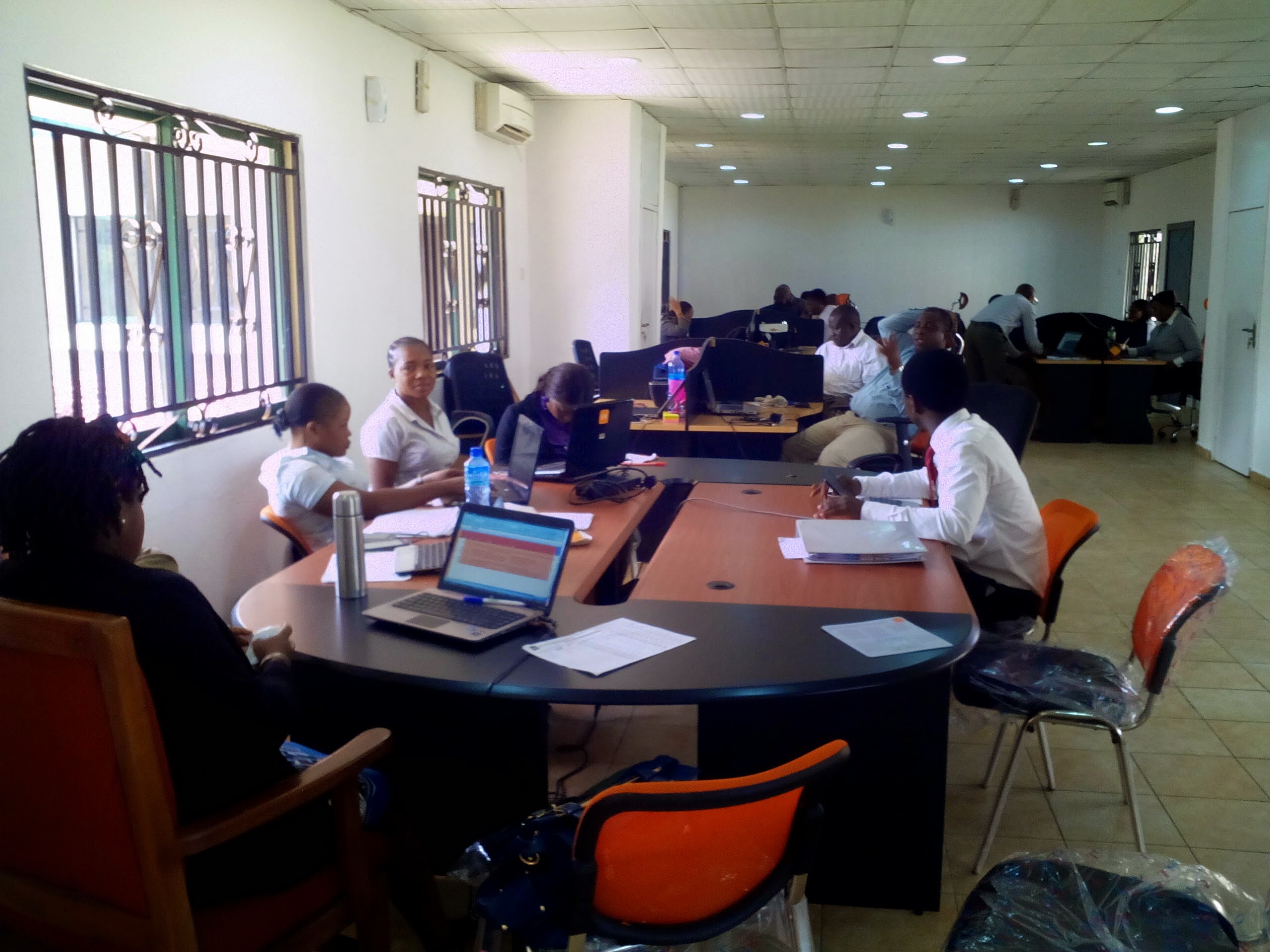
Improving Telephone Survey Accuracy with Random Digit Dialing has become increasingly important as organizations seek more representative and unbiased data. Telephone surveys remain one of the most effective ways to reach large and diverse populations, particularly in regions where internet access is inconsistent.
However, traditional telephone surveys can suffer from sampling limitations if researchers rely only on pre-existing contact lists or known databases. These lists often represent a narrow group of respondents, leaving many potential voices unheard.
Random Digit Dialing (RDD) helps solve this challenge by generating phone numbers randomly, allowing researchers to reach individuals who may not appear in traditional contact lists. By expanding the pool of potential respondents, RDD significantly improves the accuracy and representativeness of telephone research.
Understanding Improving Telephone Survey Accuracy with Random Digit Dialing begins with recognizing how sampling methods influence the quality of research insights.
The Sampling Challenge in Telephone Surveys
Telephone surveys are widely used in market research, public opinion polling, and policy evaluation. Yet the accuracy of these surveys depends heavily on how respondents are selected.
When surveys rely only on existing customer databases, subscriber lists, or panel participants, several limitations can arise:
- Overrepresentation of frequent survey participants
- Limited demographic diversity
- Exclusion of individuals outside existing database
- Bias toward urban or digitally connected populations
These issues reduce the reliability of findings because the sample may not reflect the broader population.
Improving Telephone Survey Accuracy with Random Digit Dialing helps overcome these limitations by introducing randomness into the sampling process. Methodologies such as Random Digit Dialing are widely used in survey research to improve probability sampling and reduce bias.
What is Random Digit Dialing (RDD)?
Random Digit Dialing is a survey methodology used to generate telephone numbers randomly within valid number ranges. Instead of calling only known contacts, the system produces numbers that may belong to anyone within a specific geographic or network range.
This approach increases the probability of reaching respondents who are not part of existing survey panels or databases.
RDD is commonly used in:
- Public opinion research
- Election polling
- Market research studies
- Social and development research
Because the numbers are randomly generated, each eligible respondent has a greater chance of being included in the study. This improves sample representativeness and strengthens research reliability.
Why Random Digit Dialing Improves Accuracy
Random Digit Dialing contributes to survey accuracy in several key ways.
1. Reduces Sampling Bias
By selecting numbers randomly, RDD prevents surveys from relying solely on known databases. This ensures that individuals outside formal lists can still participate in research.
2. Expands Population Coverage
RDD allows researchers to reach people across different demographics, including individuals who may not be registered in customer lists or digital panels.
3. Improves Representativeness
Random sampling increases the likelihood that survey results reflect the real characteristics of the population being studied.
4. Strengthens Statistical Reliability
When combined with proper quotas and weighting techniques, RDD produces more statistically reliable results.
The Role of CATI Systems in RDD Surveys
Random Digit Dialing works most effectively when integrated with Computer-Assisted Telephone Interviewing (CATI) systems. These platforms allow researchers to manage large volumes of calls while maintaining data quality and survey structure.
CATI systems support RDD surveys by enabling:
- Automated number generation and dialing
- Real-time monitoring of interview quality
- Quota management to balance sample representation
- Immediate data capture during interviews
Interviewers follow structured questionnaires while the system records responses directly into the database. This reduces manual errors and ensures consistency across interviews.
Reaching Diverse Populations Through Telephone Research
One of the major advantages of telephone surveys is their ability to reach populations that may not regularly participate in online research.
Across many regions, large segments of the population rely primarily on mobile networks rather than internet access. Telephone interviews therefore remain a practical method for engaging these respondents.
RDD makes this reach even broader by enabling researchers to contact individuals beyond existing customer or subscriber databases.
- Rural populations
- Individuals using basic mobile phones
- Non-panel respondents
- Underrepresented demographic groups
Combining RDD with Other Research Methods
While Random Digit Dialing strengthens telephone surveys, the most reliable research strategies often combine multiple data collection methods.
- Online surveys for digitally active audiences
- Telephone interviews using Random Digit Dialing
- Field interviews for deeper community insights. Learn more about our services
At the End?
Accurate research depends not only on the number of responses collected but also on who is included in the data.
Improving Telephone Survey Accuracy with Random Digit Dialing allows organizations to move beyond limited contact lists and reach a broader population. By introducing randomness into the sampling process, RDD reduces bias, expands coverage, and improves the reliability of survey results.
When combined with advanced CATI systems and thoughtful research design, Random Digit Dialing helps ensure that telephone surveys capture a more accurate reflection of public opinion and consumer behavior. Learn about our CATI tools
CATI Africa specializes in large-scale telephone research across the continent, using advanced dialing systems and experienced interviewers to collect reliable, representative data.