
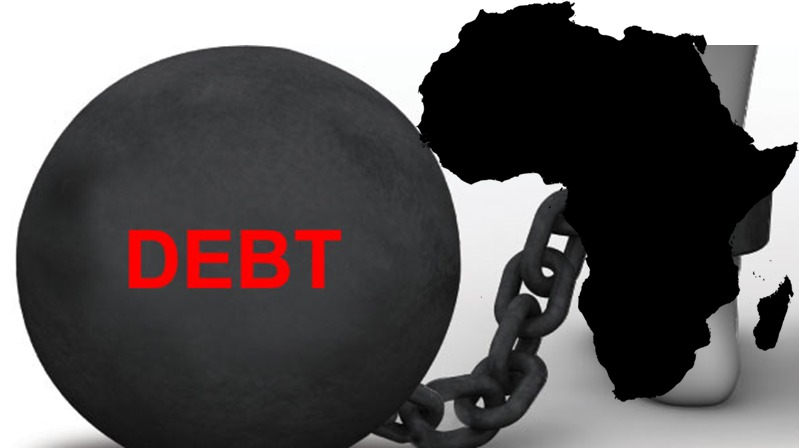
Household debt is becoming a bigger part of everyday life for many families across Africa. People are not only borrowing for houses, cars or business investments for some households, loans and other forms of credit are helping to pay for food, electricity, school expenses, transport and other basic needs when monthly income is no longer enough.
South Africa shows how serious the pressure has become. According to the 2026 Money Stress Tracker by DebtBusters, more than half of respondents were using over 40% of their take-home pay to service debt, leaving much less money for everything else a household needs to pay for.
The pressure is also showing up in the country's wider borrowing pattern. The DebtBusters Q2 2026 Debt Index found that consumers entering debt counselling were using an average of 64% of their take-home pay on debt repayments, while borrowing from several lenders at the same time has also become more common.
Namibia is dealing with similar concerns. In June 2026, parliament began looking into the country's growing household debt problem, with The Namibian reporting on the parliamentary hearings and concerns about people taking loans to deal with everyday expenses.
These figures tell us that people are borrowing. But they do not tell us what is happening inside the homes behind those numbers.
What Is Pushing People into Debt?
A household can be struggling financially without it being obvious from the outside.
One person may take a loan because school fees are due. Another may borrow to pay an electricity bill. Someone else may use a credit card or short-term loan to buy food until payday.
The reasons can be very different, even when the final numbers look similar.
This is why simply knowing how much people owe is not enough. Researchers also need to ask why they borrowed, what they used the money for and what was happening in their household at the time.
Are wages no longer covering basic expenses? Are people taking another loan to pay an existing one? Which household expenses are putting the most pressure on families? Where are people getting credit? Are they using banks, fintechs, microfinance companies, payday lenders or informal lenders?
Do they understand the interest, fees and total amount they will eventually repay? And what would make them less dependent on borrowing?
These are questions that financial records cannot answer on their own. They require people to tell their side of the story.
This Is Where Telephone Research Comes In
Telephone research gives researchers a direct way to have those conversations.
A well-designed telephone survey can ask consumers about their borrowing habits, monthly expenses, repayment difficulties, income pressures and financial priorities.
But it does not have to stop at the first answer. A trained interviewer can ask a follow-up question when a response needs more explanation. Someone who says, for example, that they borrowed for “household expenses” can be asked what those expenses were. That simple follow-up may reveal that the money went towards food, school fees, electricity or other household bills.
Those details matter because they show what is actually driving the borrowing. They can also reveal things that people may not mention unless they are asked directly.
Someone may still be paying their bills but have stopped saving. Another person may be cutting down on food or delaying healthcare to keep up with loan repayments. Someone else may be taking new credit whenever their salary runs out.
Looking only at the amount of debt would not tell you any of this.
People Do Not All Experience Debt the Same Way
Household debt does not affect everyone in the same way.
A young worker may borrow because they are trying to manage expenses at the beginning of their career. A parent supporting several children may be dealing with school fees, food and transport costs at the same time. A small-business owner may use personal credit because their business income is irregular.
Even people earning similar amounts can have very different financial pressures. Location, household size, employment, income, access to financial services and the cost of basic goods can all affect how people manage money.
This is one reason telephone research is useful. A telephone survey can reach different groups and help researchers see where their experiences are similar and where they are not.
The DebtBusters Money Stress Tracker can show where financial stress is being reported, but speaking to consumers can help explain what that stress actually looks like in their daily lives.
What Can Financial Businesses Learn?
For banks, fintechs, lenders and other financial-service companies, household debt research is not only about finding out how much people borrow.
It can help them understand why people borrow and where existing financial products may be falling short.
Consumers can explain why they choose one lender instead of another. They can talk about repayment problems, fees they find difficult to understand, loan terms they consider too restrictive and the things they worry about before taking credit.
They can also point to needs that businesses may not have considered.
For example, if consumers repeatedly say they borrow because their salaries come at the end of the month while important bills come earlier, that is useful information. The issue may not simply be that people need another loan. They may need a different way to manage payments, save money or deal with short-term gaps.
That is the difference between simply knowing that people are borrowing and understanding why they need to borrow.
Debt Figures Need a Human Story
Africa's household debt story cannot be told through figures alone.
The numbers can show how much people owe and how much of their income is going towards repayments. They can show whether borrowing is increasing and which types of credit people are using.
But only consumers can explain what is happening behind those figures.
They can tell researchers what happens when their salary finishes before the month does. They can explain what makes them take a loan, what they have to give up to repay it and what kind of financial support would actually help.
That is where telephone research can add another layer of understanding.
By speaking directly with consumers across different markets and groups, researchers can find common patterns while still understanding the experiences behind them.
Behind every household debt figure is a person trying to make a financial decision with the money they have. Sometimes, the best way to understand the bigger debt picture is simply to ask them why.
Understanding Household Debt Through Consumer Voices
Household debt is ultimately about more than loans and repayment figures. It is about how people manage their income when the cost of everyday life keeps putting pressure on their budgets.
For organisations trying to understand this market, direct conversations can reveal the experiences that financial data alone may miss. Consumers can explain what they are borrowing for, where they experience the most pressure and what changes could make managing their finances easier.
Through telephone research, CATI Africa helps organisations speak directly with consumers across African markets and turn their responses into structured research data.
The goal is not simply to measure how much people owe. It is to understand what is happening behind the debt.
Want to understand household borrowing, financial behaviour or consumer experiences in your market? Contact CATI Africa to discuss your telephone survey and research needs.