
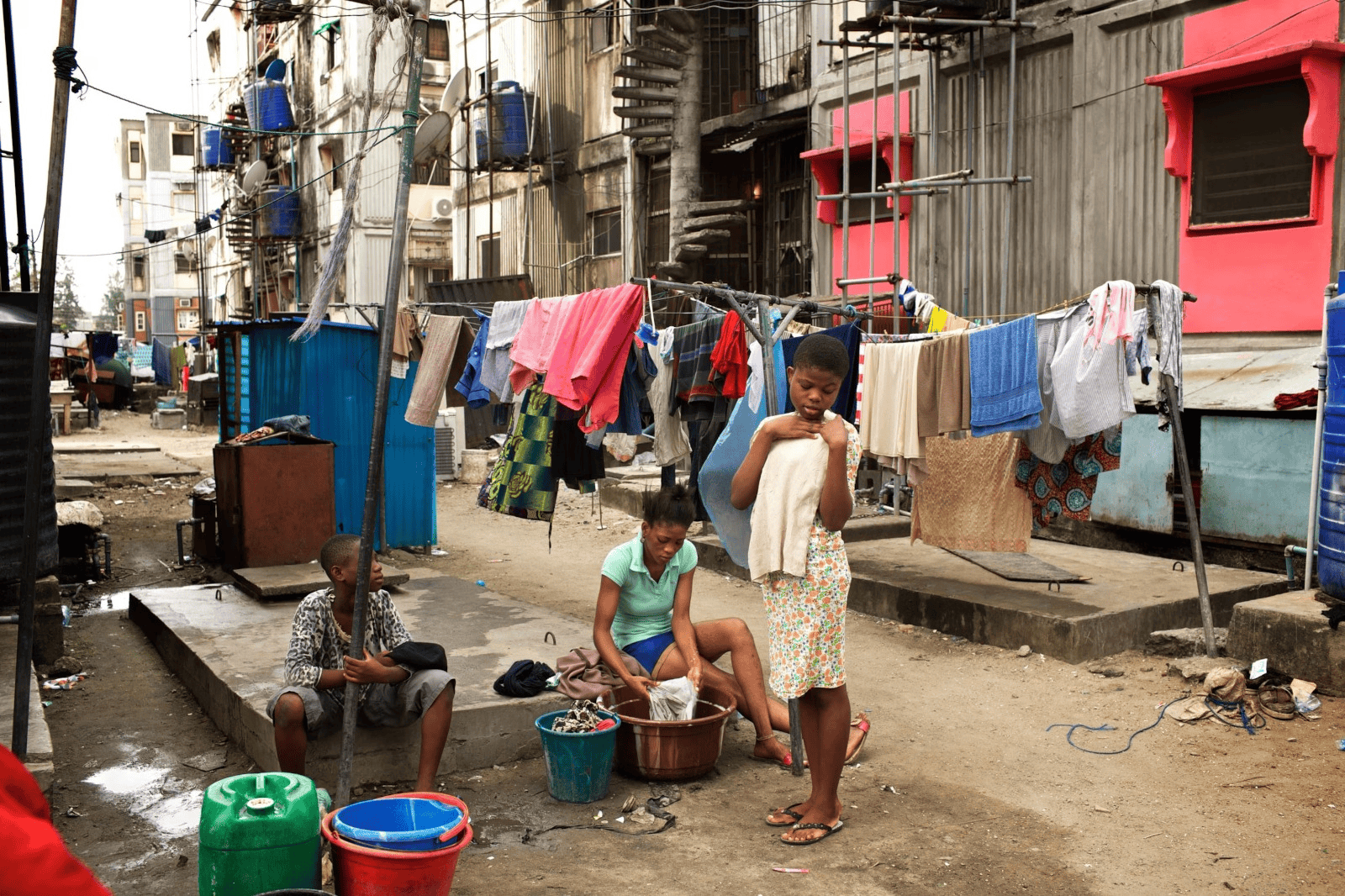
The Myth of the African Middle Class is often built around a simple idea: as more Africans earn more money, a larger consumer class is emerging with more money to spend but income alone does not explain how households actually live, spend and make choices. The salary arrives on Friday, by Monday, rent has taken its share, Food follows, then transport, electricity, school fees and the money sent home to family. Somewhere in all of that is the phone that needs replacing, the holiday that was being planned or the new appliance now waits.
This is the part of the middle-class story that is easy to miss, for years, Africa's growing middle class has been described as one of the continent's biggest consumer opportunities. More people are moving into cities, more households have regular incomes, and more consumers are buying products and services that were once out of reach but earning more does not always mean having more to spend.

So, Who Exactly Is the African Middle Class?
It depends on how you count it.
Some definitions focus on income. Others look at daily consumption or how far a household sits above the poverty line. That can place households with very different lifestyles under the same middle-class label.
Research from the GIGA Institute has questioned how much of Africa's reported middle-class growth represents people who are financially secure enough to withstand economic shocks and maintain discretionary spending.
That asks The Myth of the African Middle Class an important question for businesses: how much of this reported growth is actually translating into everyday spending?
The African Middle Class Meets Rising Prices
A household does not need to fall into poverty for its spending habits to change.
When food prices rise, fuel becomes more expensive or electricity bills take a larger share of income, consumers begin making small adjustments. A larger pack becomes a smaller one. A familiar brand is replaced with a cheaper alternative. A planned purchase is pushed to next month.
The consumer is still there. The decision has changed.
That matters because middle-income households are not one uniform group. Households can have similar incomes while facing very different costs, responsibilities and financial pressures.
It raises an important question for businesses: if households are under pressure, can income alone still tell you what consumers will buy?

Income Does Not Tell the Whole African Consumer Story
Two people can earn the same amount and live very different financial lives.
One may have rent, transport and school fees to cover. Another may support parents or siblings. Someone else may be paying a loan, dealing with higher utility costs or sending money to relatives in another city.
Income tells you what enters the household.
It does not always tell you what the household can afford to give up.
That difference matters when businesses are trying to understand African consumer behaviour. A survey can show that someone belongs to a particular income group, but that alone does not explain what happens when prices increase.
For that, you have to ask.
Sometimes, You Have to Ask
A report may tell you how many people fall into a particular income category. But businesses need to know what those people actually do when their budgets tighten.
Did they change brands? Buy less? Postpone the purchase? Wait for a promotion? Stop buying the product altogether?
These small decisions can reveal more about a household's financial position than an income figure on its own.
This is where telephone research becomes a practical part of the picture.
A telephone survey allows researchers to speak directly with consumers and explore what sits behind the numbers. Instead of simply recording income, researchers can ask about spending habits, brand switching, price sensitivity, household priorities and the compromises consumers are making.
According to CATI Africa's research on telephone surveys and African consumer behaviour, telephone interviews can help researchers reach consumers across different locations while allowing interviewers to clarify questions and explore responses during the conversation.
That matters when the question is not simply “How much do you earn?” but “What happens to your choices when your money has to stretch further?”
What Consumer Behaviour Reveals About the African Middle Class
A consumer might initially say that a product is affordable.
A follow-up question can reveal that they only buy it when there is a promotion.
Another consumer may still describe a particular brand as their favourite but explain that they stopped buying it because the price no longer fits the household budget.
That extra conversation matters.
With CATI, or Computer-Assisted Telephone Interviewing, interviewers can follow a structured questionnaire while recording responses directly into a research system. This allows researchers to explore different answers while maintaining consistency across interviews.
For a market where income categories can hide very different realities, that direct conversation can make the difference between an assumption and an actual understanding of consumer behaviour.

Nigeria Shows Why the Middle Class Is Not One Group
Nigeria offers a useful example of why the middle-class label needs context. Research has found that estimates of Nigeria's middle class vary depending on the definition used, with vulnerability to falling back into poverty being one way of distinguishing households.
Two Nigerian households can have similar incomes while living very different financial lives. One may live in Lagos and face high housing and transport costs. Another may live in a smaller city or semi-rural community where different household expenses shape spending.
The same income can therefore produce very different consumer decisions.
That makes The Myth of the African Middle Class useful as a starting point for discussion but limited for understanding behaviour on its own.
What Happens When You Ask African Consumers?
This is where telephone research in Africa moves from being simply a data collection method to a way of understanding the market.
Instead of simply asking whether consumers can afford something, researchers can explore what they continue buying, what they have stopped buying, which brands they have switched from and what would make them pay more.
They can also ask what happens when prices rise again. Do consumers reduce quantity? Move to another brand? Wait until their income comes in? Or decide that the product is no longer worth the cost?
Those answers uncover the small trade-offs happening inside households long before they appear in a larger economic statistic.
Telephone surveys and broader market research can help fill that gap. Researchers can ask consumers what they are buying, what they have stopped buying, which brands they have switched from and how rising prices have changed their priorities.
The World Bank's High-Frequency Phone Surveys have also been used across Nigeria and other African countries to complement face-to-face surveys and track how households respond to economic and social shocks.
It does not replace economic data. It adds the consumer's voice to it.
For businesses researching African markets, these conversations can help shape pricing, product positioning, customer experience and market entry decisions around how consumers are actually behaving rather than how an income category suggests they might behave.
The Myth of the African Middle Class Is More Complicated Than It Looks
There are households whose incomes are rising and households under increasing pressure. Both can exist at the same time.
The mistake is assuming that everyone carrying the middle-class label behaves in the same way.
The better questions are more specific: What are these consumers buying? What are they giving up? Why are they switching? And what would make them change their minds?
Those are questions a spreadsheet cannot answer on its own.
Sometimes, you have to pick up the phone and ask.
For businesses that need to understand consumers across African markets, CATI Africa's telephone survey services provide a way to collect first-hand responses through structured telephone interviews because before deciding what the African consumer wants, it helps to hear from the consumer.