
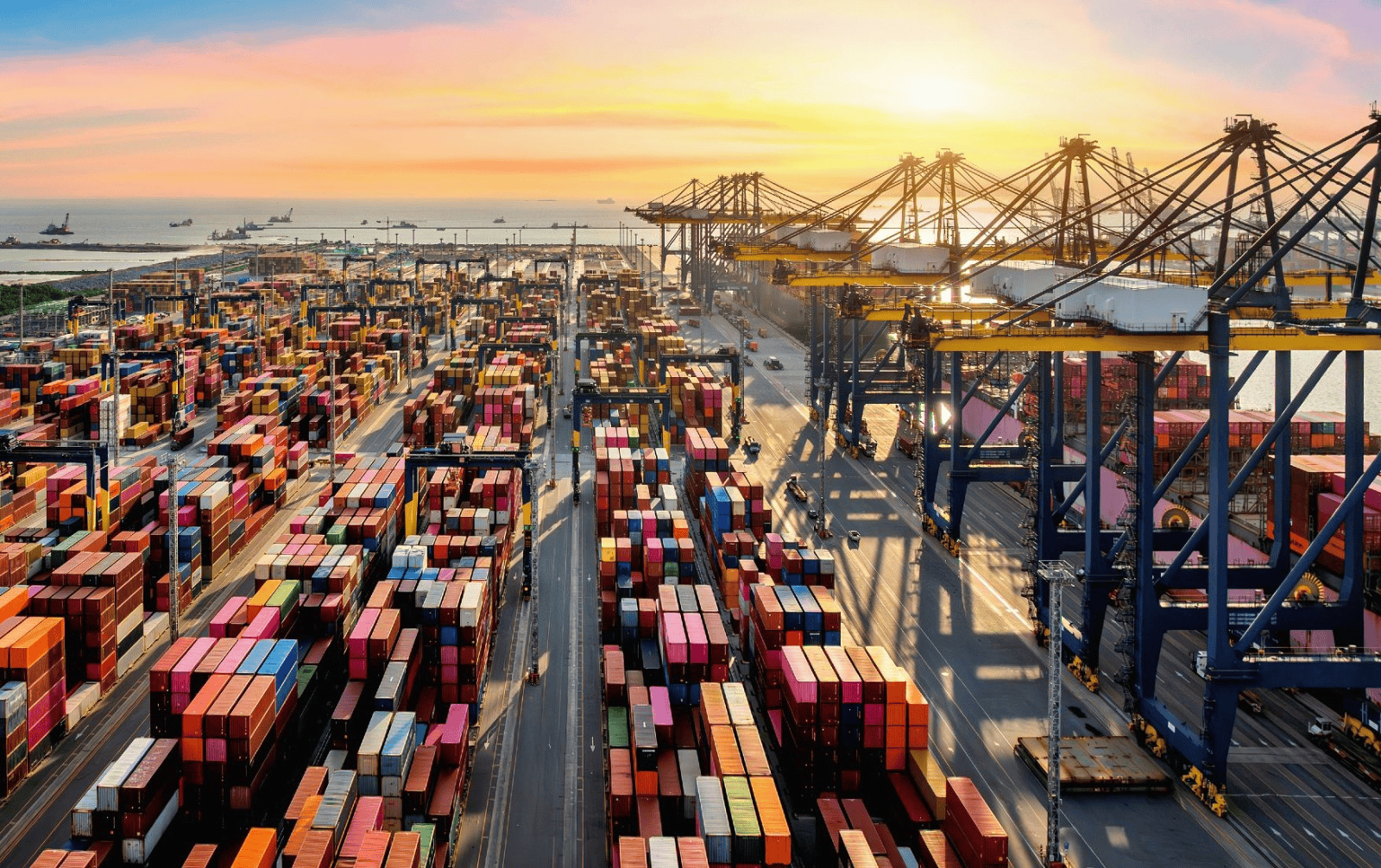
Africa trade is growing, but the bigger story is not simply how much the continent trades. It is what Africa is trading, where those products are going, and how much value the continent is able to keep within its own markets.
Africa’s merchandise trade reached approximately $1.5 trillion in 2025, with exports of about $685 billion and imports of approximately $781.5 billion, leaving an import-export gap of roughly $96.5 billion , at the same time, intra-African trade increased by 5.5% to approximately $213.8 billion, showing that economic connections between African markets are becoming stronger.
These numbers point to an important shift. Africa is trading more, but increasing trade volumes do not automatically mean that African economies are capturing more value.
The more important question is what happens between the point where a product leaves one market and reaches the consumer in another.
Africa Is Trading More, But the Pattern Matters
For decades, many African economies have relied heavily on exporting commodities and raw materials to markets outside the continent.
Oil, minerals, metals, agricultural products and other primary commodities remain important parts of Africa’s export base. At the same time, many African countries continue to depend on imported manufactured goods to meet the needs of growing populations and businesses.
This creates a familiar pattern:
Raw materials are exported.
Products are processed elsewhere.
Finished goods return to African markets.
Consumers pay for the final product.
The concern is not that Africa trades with the rest of the world. International trade is an important part of economic growth. The concern is whether African economies are capturing enough of the value created throughout the process.
When a raw material is exported for processing and later returns as a finished product, the economic opportunity extends far beyond the original sale. Processing, manufacturing, packaging, branding, transportation, distribution and retail can all create additional jobs and business opportunities.
This is where the conversation around Africa trade needs to go beyond import and export figures.
The Value-Capture Problem
Africa’s trade figures reveal a structural challenge.
The continent continues to export a large proportion of primary goods while importing substantially more manufactured products than it exports.
This means that even when Africa participates successfully in global trade, a significant part of the value associated with those products may be created outside the continent.
Consider a simple example.
A country may export agricultural produce to another part of the world. That produce could then be processed, packaged and branded before being sold as a finished consumer product.
By the time the product reaches the market, most of the value may have been added after the original export.
The opportunity, therefore, is not simply to export more. It is to ask: What can Africa produce, process and sell competitively within and beyond the continent?
That question becomes even more important as African markets become increasingly connected.
Intra-African Trade Is Creating New Opportunities
One of the more encouraging developments is the continued growth of trade between African countries.
Intra-African merchandise trade reached approximately $213.8 billion in 2025, representing a 5.5% increase. South Africa accounted for around 19.2% of intra-African merchandise trade, while emerging trade corridors involving countries such as Ethiopia, Uganda, the Democratic Republic of the Congo and Zambia point to a changing regional trade landscape.
The growth of regional trade is important because African businesses do not have to look exclusively outside the continent for markets.
There are more than 50 countries with different populations, consumer preferences, industries, resources and levels of economic development. This creates opportunities for businesses that can identify what one market has in excess and what another market needs.
The African Continental Free Trade Area (AfCFTA) is central to this effort, with the broader objective of creating a more integrated African market and encouraging greater movement of goods and services across borders.
But having access to a larger market is only one part of the equation. Businesses also need to understand that market.
The Questions Behind the Numbers
Trade statistics can tell us the value of goods being imported and exported. They can show which countries are trading and which products are moving.
But the numbers do not always tell us why.
- Why are consumers choosing imported products?
- Why are businesses sourcing certain products from outside Africa?
- Where are local manufacturers struggling to compete?
- Which products are difficult to find locally?
- Where is demand growing faster than supply?
- Which markets are ready for new entrants?
These questions are important because a trade opportunity is not created simply because a product is being imported.
There has to be a reason for the import. There has to be demand. And there has to be a realistic opportunity for another supplier to meet that demand.
This is where market intelligence becomes particularly valuable.
From Trade Data to Market Intelligence
Trade data tells us what moved, Market research helps us understand why it moved.
At CATI Africa, telephone-based research can help businesses collect first-hand information directly from consumers, retailers, distributors, manufacturers, importers, exporters and other respondents across African markets.
This can provide insight into areas that published trade statistics may not fully explain.
Research can help businesses understand consumer preferences, purchasing behaviour, product awareness, supply challenges, brand perceptions and barriers to market entry.
CATI Africa’s telephone survey services across Africa can support organisations looking to gather this type of primary information directly from respondents.
This becomes particularly useful when a business is considering entering a new market or trying to understand why an existing product is not performing as expected.
The numbers may show that a product is being imported. Research can help explain who is buying it, why they are buying it, what influences their decision and what could make them choose an alternative.
Where Are the Biggest Opportunities?
The growing volume of intra-African trade presents opportunities across multiple sectors.
Food and agriculture, manufacturing, financial services, telecommunications, consumer goods, healthcare, logistics and technology are among the areas where changing consumer and business needs can create new opportunities.
But opportunity does not look the same in every country.
A product that performs well in Nigeria may require a different approach in Kenya. A service that works in Ghana may need to be adapted for consumers in Egypt or South Africa.
This is why businesses need more than continent-wide statistics. They need market-level understanding.
They need to know the people they are trying to serve. They need to understand how purchasing decisions are made. They need to know what competitors are offering and where customers believe existing products fall short.
For organisations researching different sectors and markets, CATI Africa’s industry coverage provides a starting point for understanding how telephone-based research can be applied across different business environments.
Africa's Next Trade Opportunity May Be Closer to Home
Africa does not necessarily need to reduce its participation in global trade. Instead, the continent has an opportunity to become more competitive within global and regional value chains.
That could mean processing more agricultural products before export. It could mean developing stronger manufacturing capacity. It could mean building better distribution networks between African countries.
It could also mean helping local businesses understand neighbouring markets well enough to expand into them and making better use of the information already available about African consumers and businesses.
The growth of intra-African trade suggests that the demand is there. The next challenge is understanding that demand well enough to respond to it.
What Comes Next for Africa Trade?
The question facing African businesses and policymakers is no longer simply: “How much does Africa trade?”
The more important questions are:
- What products are moving?
- Who is buying them?
- Who is supplying them?
- Where are the biggest import dependencies?
- Where does demand exceed local supply?
- Which products can be produced or processed within Africa?
- What is preventing businesses from capturing more value?
Answering these questions requires bringing different types of information together.
Trade statistics provide the broader picture. Business intelligence provides commercial context. And direct market research provides the voices of the people and organisations actually participating in the market.
Conclusion: Capturing More Value From Africa Trade
Africa is trading more. But the bigger opportunity is not simply to increase the amount of trade.
It is to ensure that more of the production, processing, jobs, businesses and value created from that trade remain within Africa.
The future of Africa trade may therefore depend not only on how much the continent trades, but on how much value it captures from every transaction.
At CATI Africa, we help organisations uncover actionable insights through professional telephone interviewing, market research and data collection across Africa.
If your organisation wants to understand African markets, identify emerging opportunities and make decisions based on real market intelligence, contact CATI Africa.
Source: World Bank – World Development Indicators and recent African trade data.