Ghana’s economy is showing clear signs of recovery in 2026 after years of macroeconomic pressure, the country is entering a period of stronger growth, easing inflation and improving economic confidence.
Real GDP expanded by 6.4% year-on-year in the first quarter of 2026, according to the Ghana Statistical Service, while full-year growth forecasts range from 4.8% to 5.7%. The IMF projects 4.8% growth, the African Development Bank 5.0% and Fitch 5.7%.
The recovery is being supported by services, agriculture, industry and mining, while strong gold exports have also helped Ghana's external position. The World Bank's latest Ghana economic update highlights the country's improving macroeconomic stability, stronger gold revenues and progress on debt restructuring but there is a more interesting question beyond the headline numbers:
Is Ghana's economic recovery translating into better everyday experiences for consumers?
Because a stronger GDP does not automatically tell a business whether customers are spending more, switching brands, changing priorities or becoming more confident and that is where the real story begins.
Understanding What the Recovery Means for Consumers
Inflation, for example, has fallen sharply, The World Bank reports that headline inflation dropped to 3.3% in February 2026, supported by cedi appreciation and tighter fiscal and monetary policies that is welcome news for households and businesses, but falling inflation does not mean prices have returned to where they were before the cost-of-living crisis.
Consumers remember price increases.
Someone who moved from a premium product to a cheaper alternative may not immediately move back, A household that reduced discretionary spending may continue to be cautious, A customer who changed brands because of price may have discovered that the cheaper option works just as well, so while economic data can tell us what is happening to the economy, it does not always tell us what is happening inside people's homes, shopping baskets and decision-making.
That is the gap market research helps to fill.
What Businesses Need to Know
For businesses operating in Ghana, the questions are becoming increasingly specific: What are consumers spending on now? Which products are they cutting back on? Which brands are gaining or losing customers? How price-sensitive are they? What makes them switch? and, perhaps most importantly, what will they do next?
These are not questions that GDP figures can answer they require businesses to speak directly to the people behind the numbers.
Where Telephone Research Becomes Valuable
This is where telephone research and Computer-Assisted Telephone Interviewing (CATI) remain relevant through structured telephone interviews, businesses can gather first-hand information about consumer attitudes, behaviours, preferences, satisfaction and expectations, Instead of assuming that an improving economy means customers are ready to spend again, a business can actually ask them.
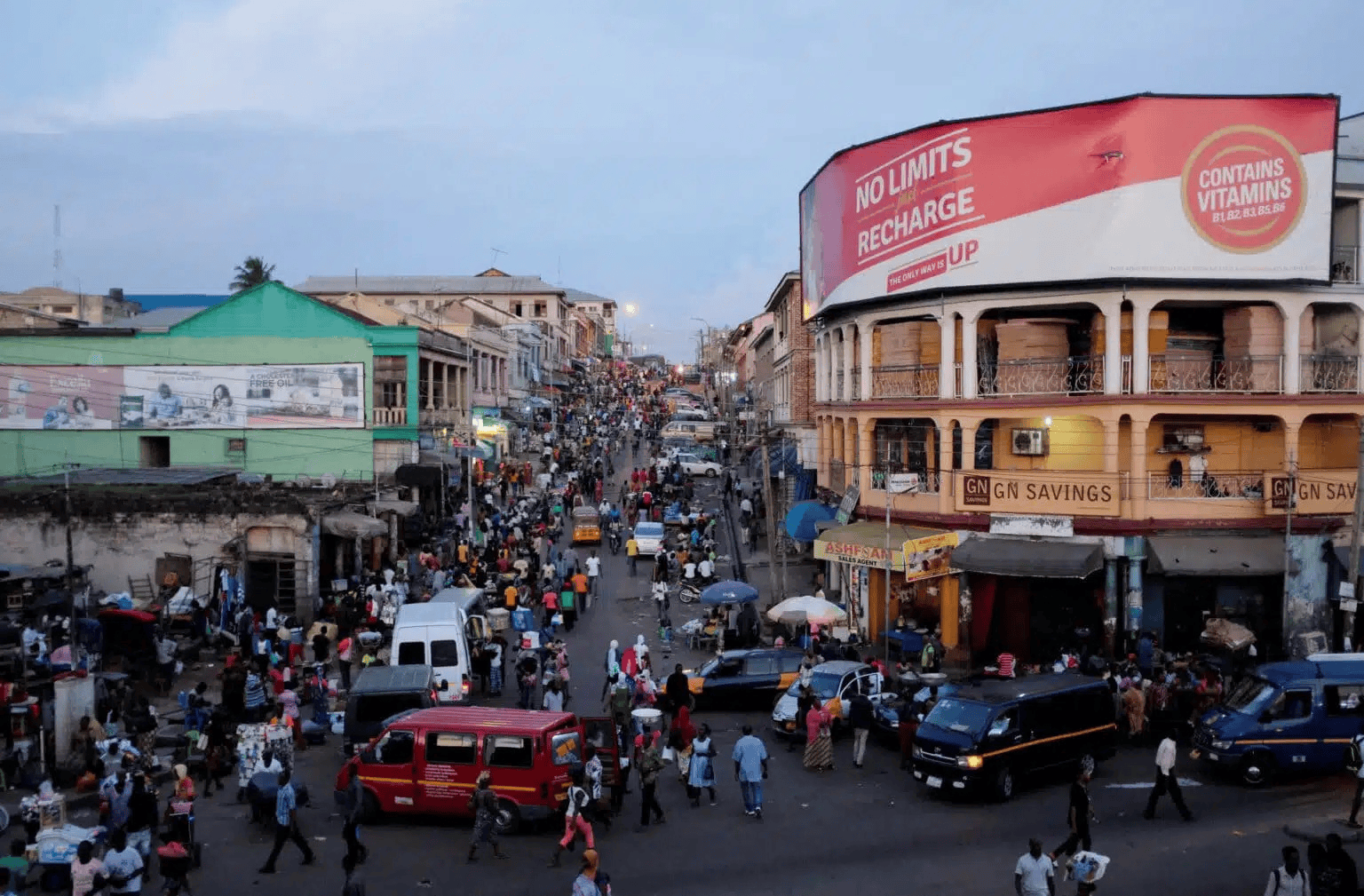
That matters because Ghana is not one homogeneous market and Consumer behaviours vary across regions, age groups, income levels and other segments and telephone research provides a practical way to reach respondents across different locations and gather structured feedback without requiring researchers to physically visit every participant.
It can also help businesses understand the why behind the numbers. If sales are falling, is the problem price, availability, competition or product quality? If customer satisfaction has declined, what exactly is driving it? If a new product is generating interest, what would actually convince people to buy it?
The answers can make the difference between a decision based on assumption and one backed by evidence.
How CATI Africa Supports Research in Ghana
This is the role CATI Africa aims to play for organisations conducting research in Ghana and across African markets through CATI Africa's telephone research services, businesses can conduct structured surveys to understand consumers, customers, stakeholders and markets from customer satisfaction and brand perception to product testing, market opportunities and public opinion.
The value is not simply in making phone calls.
It is in asking the right questions, reaching the right people and turning their responses into insights that businesses can use and as Ghana's economy continues to evolve, that insight could become even more important.
What Ghana's Economic Outlook Could Mean for Businesses
The IMF's medium-term outlook places Ghana's real GDP growth at around 5%, while its latest projections put the country's nominal GDP at approximately US$150.4 billion by 2030 that points to a potentially larger commercial market, with opportunities across financial services, telecommunications, FMCG, healthcare, retail, technology and other sectors but a bigger market will also mean more competition.
More brands will compete for attention. More products will compete for consumers' money and consumers themselves will have more choices.
Businesses that want to stand the test of time therefore cannot afford to only look at what the economy is doing, They need to understand how their customers are changing with it.
That means continuously listening, testing assumptions and gathering evidence before making major decisions.
The Bigger Question for Businesses
Because the question for businesses is no longer simply:
Is Ghana's economy growing?
The better question is:
“What does that growth mean for our customers and what should we do about it?
Ghana's economic recovery may create the opportunity, but research helps businesses understand how to capture it.
The economy provides the numbers, research helps businesses understand the people behind them.
Understanding the Ghanaian Consumer
For businesses looking to understand Ghana's changing market, economic indicators are only part of the picture.
Consumer research can help organisations understand changing needs, purchasing behaviour, brand perceptions, customer satisfaction, price sensitivity and emerging opportunities.
At CATI Africa, we help organisations gather these insights through professional telephone research and data collection across Ghana and African markets.
Ready to understand your Ghana market and make decisions with greater confidence? Reach out to CATI Africa.