
What happens to a market when people cannot rely on something as basic as electricity? that is the question emerging from The Gambia, where prolonged power cuts have moved from an everyday inconvenience to a source of growing public frustration.
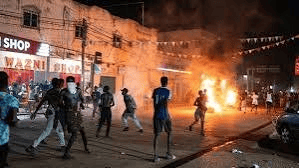
Recent protests in and around Banjul have highlighted growing anger over prolonged electricity outages, with residents demanding more reliable power. The crisis is being felt inside homes, businesses and marketplaces. But while the headlines tell us that the power supply is unreliable, they do not necessarily tell us how Gambians are adapting to it, that is where telephone surveys can provide a different perspective.
Beyond the Blackout: What Are Consumers Experiencing?
A power cut does not affect every household in the same way for one consumer, it could mean food spoiling in a refrigerator, for another, it could mean losing hours of work, being unable to charge a phone or struggling to access digital services, for families living in the heat, prolonged outages can also affect comfort, sleep and children's ability to study.
President Adama Barrow acknowledged the impact in a September 8 address, noting that families were dealing with heat, food spoilage and children working in the dark. He attributed the current situation to record electricity demand, failures of major generating units and seasonal reductions in hydropower production, according to the Office of the President of The Gambia.
But how widespread are these experiences? And which groups are being affected the most? A telephone survey in The Gambia can help answer those questions directly by speaking with consumers where they are and capturing their experiences in a structured way.
How Is the Crisis Changing Consumer Behaviour?
Infrastructure problems can quickly become consumer behaviour problems. When electricity becomes unreliable, consumers may change what they buy, when they shop and which businesses they use.
A household may spend more on alternative sources of power, A small business may reduce its operating hours, A consumer who normally purchases certain products may begin prioritising food, fuel or other essentials. These changes can have implications for brands operating in the market.
Businesses may know that consumers are under pressure, but assumptions do not tell the full story, A structured telephone survey can ask consumers directly how often they experience power cuts, how the outages affect their households, whether they are spending more because of the electricity situation, which expenses they are reducing, whether they are changing the brands or businesses they buy from, and what solutions they are currently using to cope.
The answers can turn a broad economic problem into measurable consumer insights. Instead of relying solely on reports about the electricity crisis, organisations can hear directly from the people experiencing it.
What Does the Crisis Mean for Businesses?
Businesses are facing their own set of challenges, A retailer may have to protect refrigerated products, A restaurant may need alternative power to continue operating, A small business dependent on computers, internet connectivity or electronic equipment may lose productive hours.
For businesses already dealing with rising operating costs, additional spending on fuel, generators, batteries or other alternatives can put further pressure on margins. But the impact will differ by business type, location and size.
Telephone research can help organisations understand these differences by speaking directly with business owners and decisionmakers, Instead of simply asking whether electricity is a problem, research can explore how that problem affects revenue, operating hours, costs, customer service and business continuity.
Why Listening to Consumers Matters
The Gambian government has announced measures intended to improve electricity supply, including an additional 24-megawatt generation unit and a 50-megawatt solar power project. The government says it expects the electricity situation to improve by the end of October 2026, according to the Office of the President of The Gambia.
But infrastructure recovery and consumer recovery are not necessarily the same thing, even when electricity becomes more stable, businesses and households may have already changed their spending patterns, priorities and expectations.
Understanding those changes requires more than monitoring the news, It requires asking people through telephone surveys, organisations can measure consumer experiences directly and identify differences across demographic groups, locations and customer segments.
Telephone Surveys Can Capture the Market in Real Time
Telephone surveys provide a practical way for organisations to reach consumers and businesses directly, collect structured responses and measure experiences across different groups. For a developing situation such as The Gambia's electricity crisis, this can help organisations understand not just what is happening, but who is being affected, how they are adapting and what those changes mean for the market.
It can also provide a baseline for tracking change over time. As electricity supply improves, a follow-up survey can reveal whether consumers are returning to previous behaviours or whether the crisis has created longer-term changes in spending, brand preferences and business practices. This type of ongoing telephone research can help organisations monitor how market behaviour evolves as conditions change.
The Question Is Not Only When the Lights Will Return
The bigger market question is what happens while they are out.
How are Gambian households coping? What are businesses doing to stay open? What are consumers sacrificing? What are they prioritising? And what do they now expect from the brands and services they depend on?
These are questions that headlines cannot fully answer, Telephone surveys put those questions directly to the people experiencing the market.
At CATI Africa, telephone research helps organisations reach respondents, gather structured feedback and turn consumer experiences into actionable market intelligence across African markets because sometimes, to understand what is happening in a market, you simply have to call and ask. Want to understand what consumers are saying in your market? Contact CATI Africa to discuss your telephone survey needs.