
Reaching Tunisian Farmers Through CATI
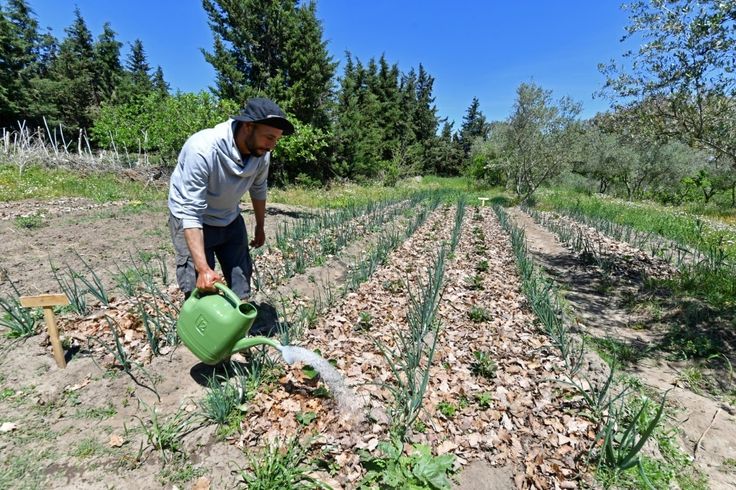
unisia’s agriculture is shaped by a strong contrast between the more productive northern farming areas and the much drier central and southern parts of the country. Farmers operate within very different conditions, with water availability, irrigation, changing rainfall patterns, input costs, and access to markets influencing agricultural decisions. For organizations working on agricultural development, understanding these differences requires direct and regular feedback from farmers across Tunisia’s diverse production zones.
Computer-Assisted Telephone Interviewing (CATI) provides a practical way to gather that feedback without making every research exercise dependent on physical fieldwork. CATI Africa conducts structured telephone interviews with farmers and agricultural households in Tunisia, supporting surveys, baseline research, monitoring, and program evaluations. Telephone data collection can also help researchers reconnect with farmers at different points in the production cycle, making it useful for studies that need to track changes over time.
Supporting Agricultural Research, Monitoring and Evaluation
Agricultural research in Tunisia often needs to capture how farmers are responding to changing production conditions, particularly where water constraints and climate pressures affect decisions from one season to another. Regular communication with farming households can provide valuable evidence on agricultural practices, access to support, production challenges, and the outcomes of development interventions.
For agricultural M&E and baseline studies, our CATI services help organizations to:
- Monitor farmers' experiences across agricultural programs
- Track changes in production practices and resource use
- Gather feedback on agricultural services and interventions
- Support evidence-based program adjustments
Across Tunisia, our CATI services can support:
- Farmer and agricultural household surveys
- Irrigation and water-use research
- Agricultural livelihood and resilience studies
- Baseline, midline, and endline evaluations
From cereal-growing areas in northern Tunisia to farming communities managing water constraints in the center and south, CATI Africa provides a structured channel for collecting farmers' perspectives across different agricultural environments. Our CATI services in Tunisia help organizations monitor agricultural initiatives, understand farmer experiences, and generate timely evidence for stronger agricultural and rural development decisions.
Dedicated Research Services Across Africa
With CATI coverage extendable using our proprietary CATI App can be deployed in 54 African countries.
CATI Africa delivers trusted, high-quality insight gathering and respondent engagement backed by over 20 years of specialized industry experience.
 Algeria
 Angola
 Benin
Benin
 Botswana
 Burkina Faso
 Burundi
 Cabo Verde
 Cameroon
 Central African Republic
 Chad
Chad
 Comoros
 Congo
Congo
 DRC
DRC
 Djibouti
 Egypt
Egypt
 Equatorial Guinea
 Eritrea
 Eswatini
 Ethiopia
 Gabon
Gabon
 Gambia
 Ghana
Ghana
 Guinea
 Guinea-Bissau
 Ivory Coast
 Kenya
Kenya
 Lesotho
 Liberia
 Libya
Libya
 Madagascar
 Malawi
 Mali
Mali
 Mauritania
 Mauritius
 Morocco
 Mozambique
 Namibia
 Niger
Niger
 Nigeria
 Rwanda
 São Tomé and Príncipe
 Senegal
 Seychelles
 Sierra Leone
 Somalia
 South Africa
 South Sudan
 Sudan
Sudan
 Tanzania
 Togo
Togo
 Tunisia
 Uganda
 Zambia
 Zimbabwe